

In the hotel industry, certain inconveniences seem unavoidable. There are fewer things more frustrating than getting off a long flight, tired and hungry with children in tow, to wait in a slow check-in line at your destination hotel. Many of us who have been stalled at the check-in desk while documents are sorted, passports photocopied, and personal details verified, and so on. Likewise, many of us are familiar with that sinking feeling of making a long walk to a guest room, only to find that the key card refuses to open the door. All of this results in the inconvenience and frustration for guests.
For any business, first impressions are vitally important. Enhancing the customer experience should be a priority to help generate recurring clientele. Even more so for hotels, with new or first-time guests.
There is technology available that can help.
BIOMETRICS IN THE HOTEL INDUSTRY
Through fingerprints, face, or iris scanning, biometric data can also be used to change the hospitality industry, creating new levels of efficiency and security. There’s little reason why Biometric Technology cannot be implemented in hotels, making processes such as check-in as swift and seamless as possible.
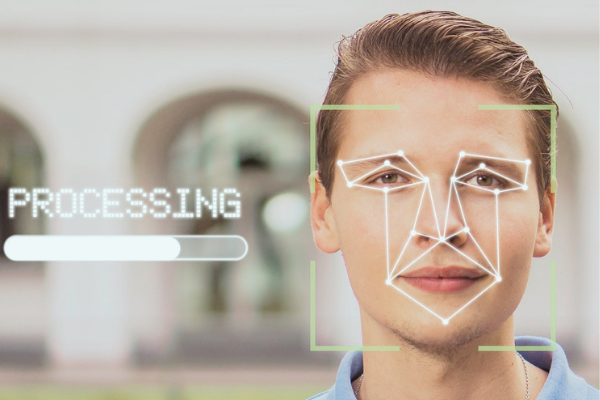
Rapid Check-In:
Check-in via facial recognition is already active at hotels in China. Once the guest has arrived at the hotel, there are a few options: if they are residents, they can check-in by scanning their face through the mobile app, and non-local guest’s check-in by scanning their face at kiosks located throughout the lobby.
Skipping all check-in formalities may not always been an option, but fingerprint or facial scanning can help to expedite the process. Hoteliers can also use this same functionality to manage guest access to areas of the property, by requesting fingerprints to access the pool, for example.
Easy and Secure Room Access:
Hotel room access based on biometrics offers clear benefits to both hoteliers and guests. First, by making guest rooms accessible only by fingerprint or facial scanning, it eliminates the needs to manage key card inventory and the headache of lost, stolen, or deactivated cards.
It also increases the security of the room, as only those with authorized fingerprints can access the room. If there were ever a question of room access, management would easily be able to review the log of any hotel staff using their own biometric data to enter the room, and guests can feel safer not having to worry about lost or stolen room cards.
Personalized Guest Experience:
In a survey conducted by Oracle, 41% of hotel guests were more likely to visit with greater frequency if they were recognized by an employee without having to give their name, and 62% of hotel guests believe that having this recognition would improve their experience.
The use of biometric data can help to ‘announce’ guests, their information, and their preferences without them having to provide any additional information. For example, an arriving guest can scan his fingerprint at the front desk, whereupon the concierge would then immediately have access to his personal information, his reservation and any room or service preferences, to help truly personalize the guest experience.
Quick Payments and Accurate Billing:
Requiring the use of a fingerprint to authorize any additional payments during a hotel stay, such as food and beverage orders, spa treatments, or in-room entertainment purchases, makes check-out billing quick and accurate. A bored teenager cannot keep ordering movies off the TV without the fingerprint of his parent authorizing the purchase!
Employee Management:
Biometrics are not just used to enhance the guest experience. They can also help create in-house efficiencies as well, such as with a biometric-based system to track when employees clock-in and out to help manage time tracking and attendance.

We are still in the early stages of using biometric data for the hospitality industry, but there are many ways in which it can help improve traditional processes and create efficiencies to improve the guest experience. As the population becomes more comfortable with the use of biometrics in everyday life — such as using our fingerprints or faces to unlock our mobile devices — they will come to expect that same ease of identity verification for other purchases or experiences, like travel.